Why Minimalist Living Can Transform Your Home and Mindset
Minimalist living has grown in popularity as more people seek simplicity, clarity, and intentionality in their lives. At its core, minimalism is about focusing on what truly matters and eliminating excess clutter, whether physical, mental, or emotional. By adopting a minimalist approach at home, you can create a more functional and aesthetically pleasing environment while also experiencing profound benefits for your mindset and overall well-being.
Decluttering Creates Space and Calm
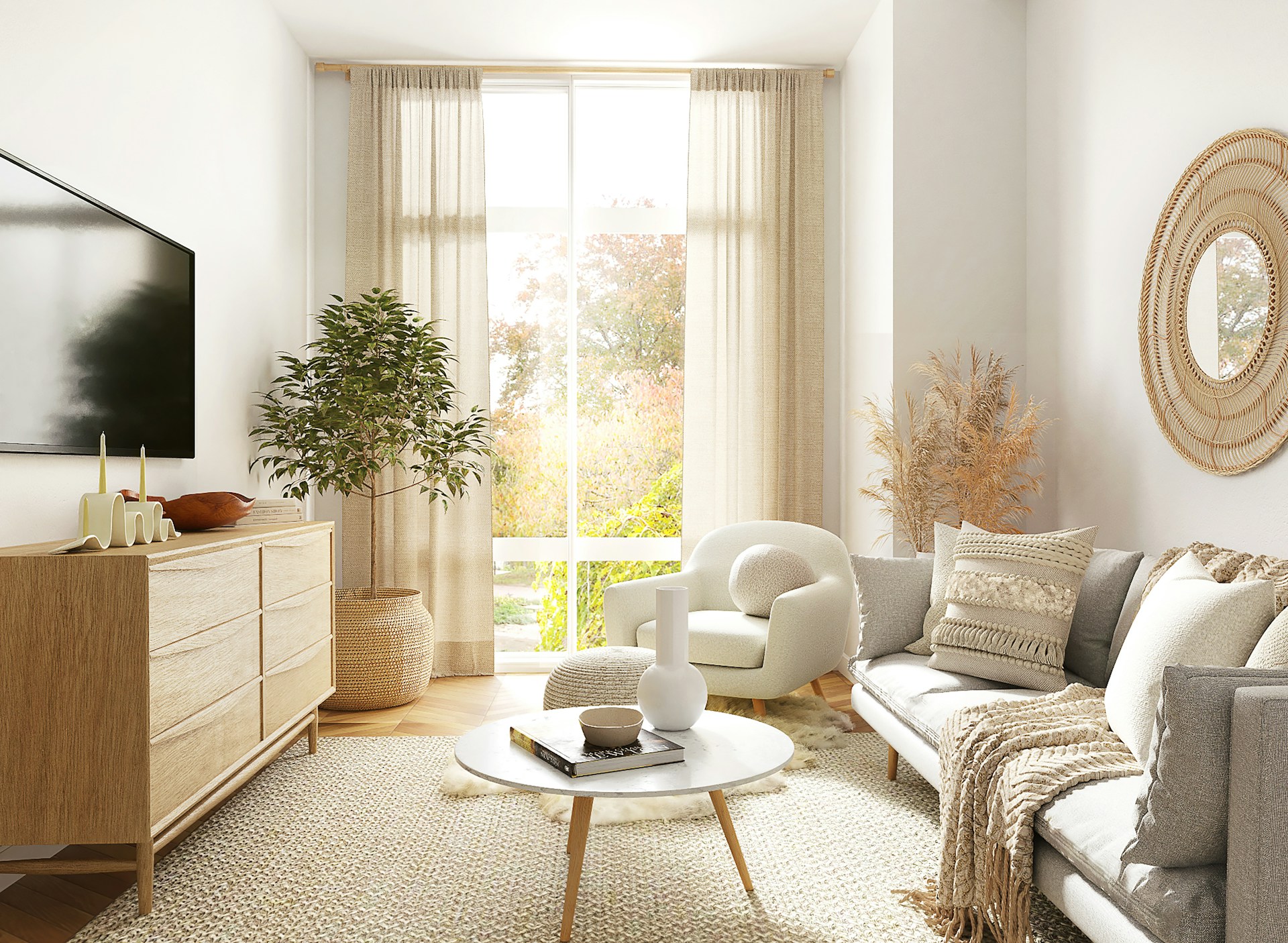
One of the most immediate benefits of minimalist living is the physical and mental space it creates. Removing unnecessary items from your home reduces clutter, making rooms feel more open and organized. This physical clarity translates to mental clarity, as a tidy environment minimizes distractions and promotes a sense of calm. When your living space is simplified, it becomes easier to focus, relax, and enjoy the things that truly matter.
Improved Efficiency and Functionality
Minimalist homes are designed with purpose, ensuring that every item has a function or brings value to your life. By keeping only essential and meaningful possessions, daily routines become more efficient. You spend less time cleaning, organizing, or searching for items and more time engaging in productive or enjoyable activities. This functional approach not only enhances the home’s usability but also encourages mindful decision-making in other areas of life.
Financial and Environmental Benefits
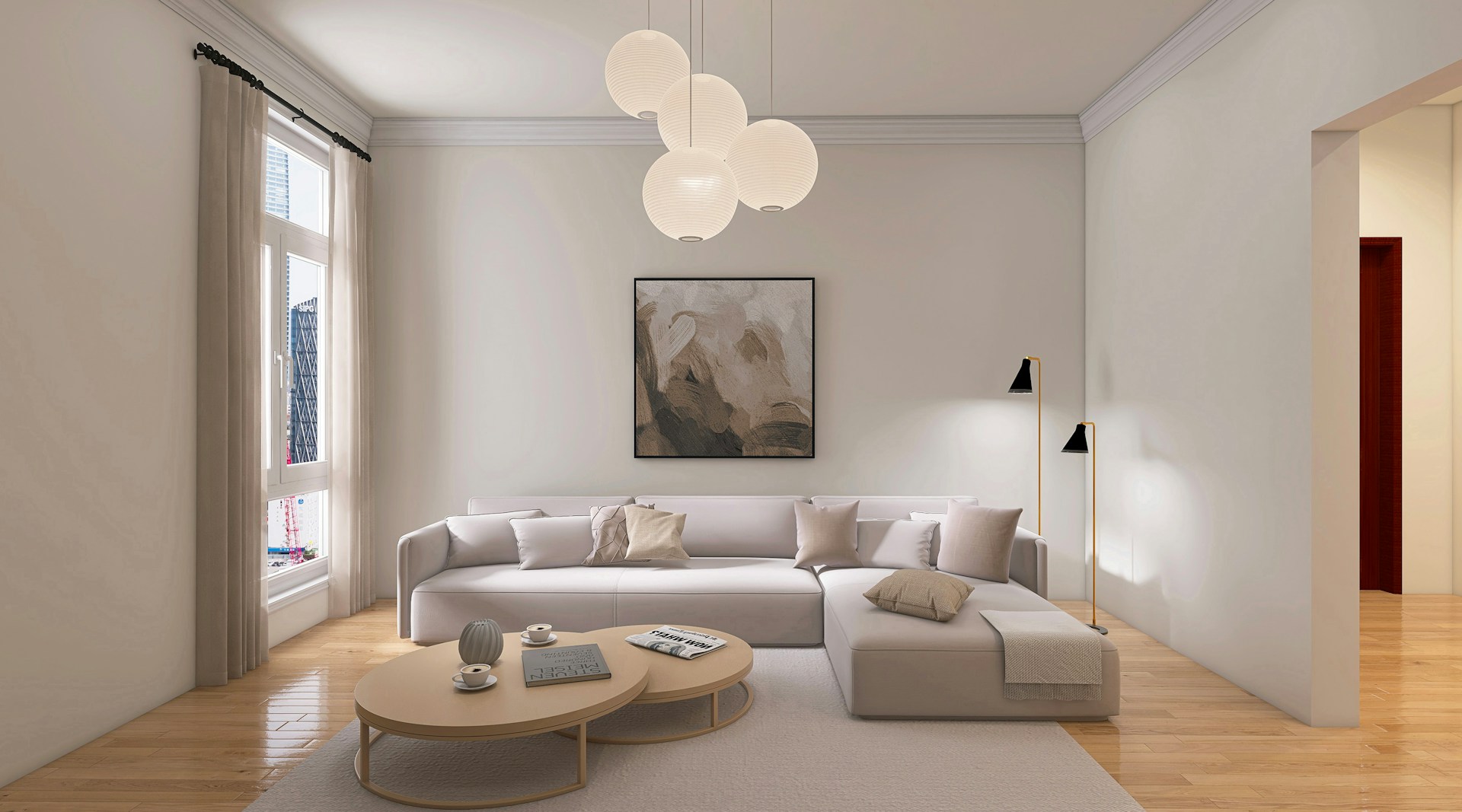
Adopting minimalism can also lead to significant financial and environmental advantages. By consuming less and prioritizing quality over quantity, you naturally reduce spending and avoid accumulating items that quickly lose value. Fewer purchases also mean less waste, contributing to a more sustainable lifestyle. Minimalist living encourages thoughtful consumption, which benefits both your budget and the planet.
Promotes Mindfulness and Intentional Living
Minimalism extends beyond the physical environment; it shapes the way you think and make choices. When you focus on essentials and remove distractions, you become more mindful of your time, energy, and priorities. This intentional living fosters gratitude for what you already have and reduces the pressure to constantly acquire more. Over time, this mindset shift enhances mental well-being and resilience, making it easier to navigate life’s challenges.
Strengthening Relationships and Experiences
A minimalist lifestyle also encourages investing in experiences rather than possessions. By reducing material distractions, you can dedicate more time and energy to relationships, hobbies, and personal growth. Experiences, unlike physical items, create lasting memories and foster emotional fulfillment. Minimalism thus transforms not only your living space but also the quality of your life and connections with others.
Minimalist living offers far more than a clean and organized home—it promotes clarity, intentionality, and well-being. By decluttering your space, prioritizing essential possessions, and embracing mindful consumption, you create an environment that supports both physical comfort and mental calm. The principles of minimalism extend beyond the home, shaping your mindset and helping you focus on what truly matters. Ultimately, adopting a minimalist lifestyle can transform your home and life, fostering simplicity, balance, and a greater sense of fulfillment.