Beyond the Conveyor Belt: The Next Era of Food Processing Automation
Walk into a modern food processing facility, and you’ll quickly notice that automation is no longer just about moving products from one station to another. Conveyor belts, mixers, ovens, and packaging machines are still essential, but the industry is heading toward something much smarter. Today’s food processors are exploring connected equipment, artificial intelligence, robotics, and real-time data to make production faster, safer, and more flexible. The next era of automation isn’t simply about replacing manual work. It’s about creating factories that can think, adapt, and improve as they operate.
Smarter Systems Are Changing Production
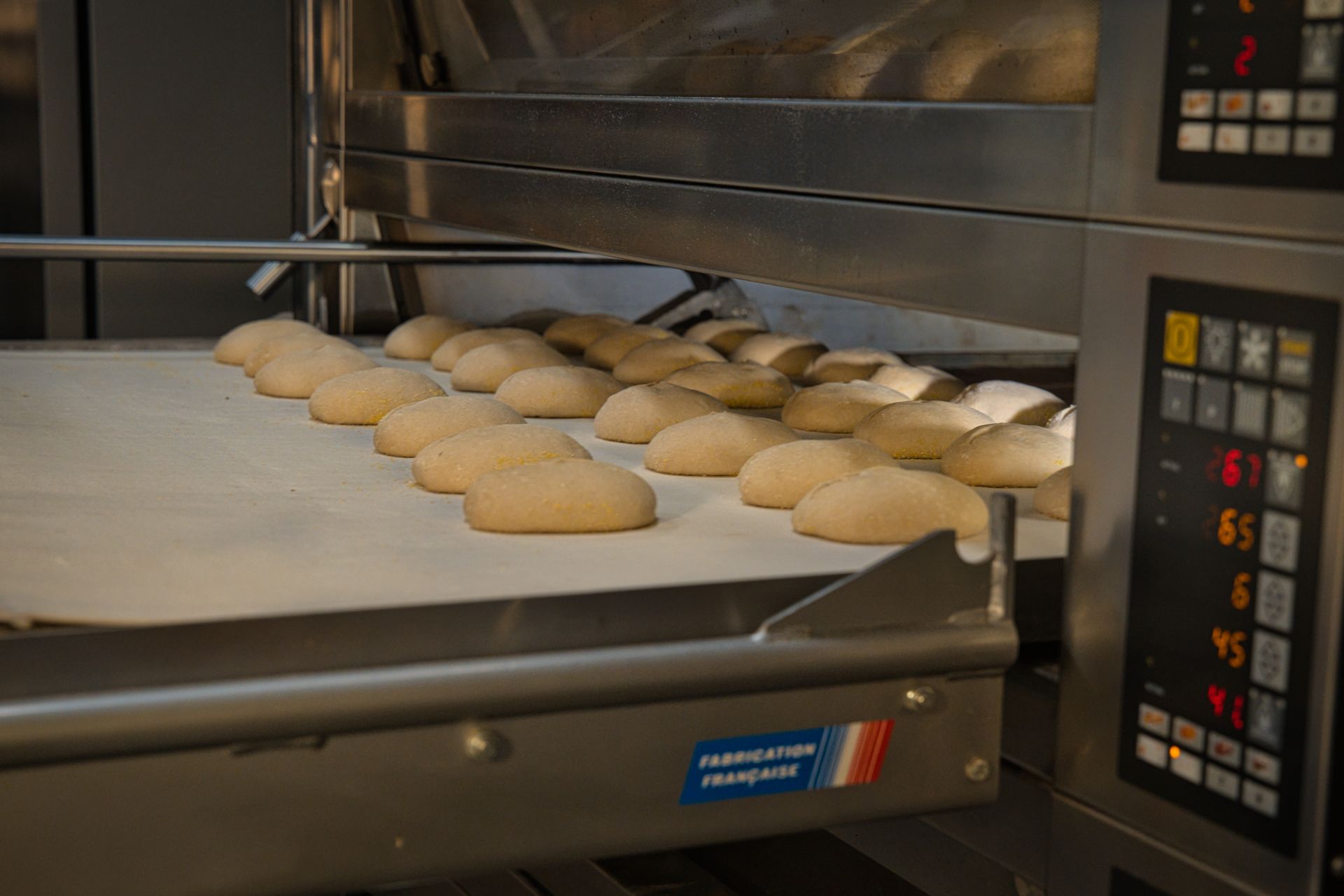
Traditional automation focuses on completing specific, repeatable tasks. Newer systems are taking a broader approach by connecting different stages of production. For manufacturers investing in complete biscuit production systems, for example, integrated automation can help coordinate everything from ingredient handling and forming to baking, cooling, and packaging. When machines can communicate with one another, production teams gain greater visibility and can respond to issues before they become expensive problems.
Artificial Intelligence Moves Into the Factory
Artificial intelligence is becoming one of the most interesting developments in food processing. Instead of simply following programmed instructions, AI-powered systems can analyze production data and identify patterns. They can help detect unusual equipment behavior, spot product inconsistencies, and support quality control. As these technologies become more accessible, even everyday production decisions could increasingly be guided by data rather than guesswork.
Robotics Bring Flexibility to the Line
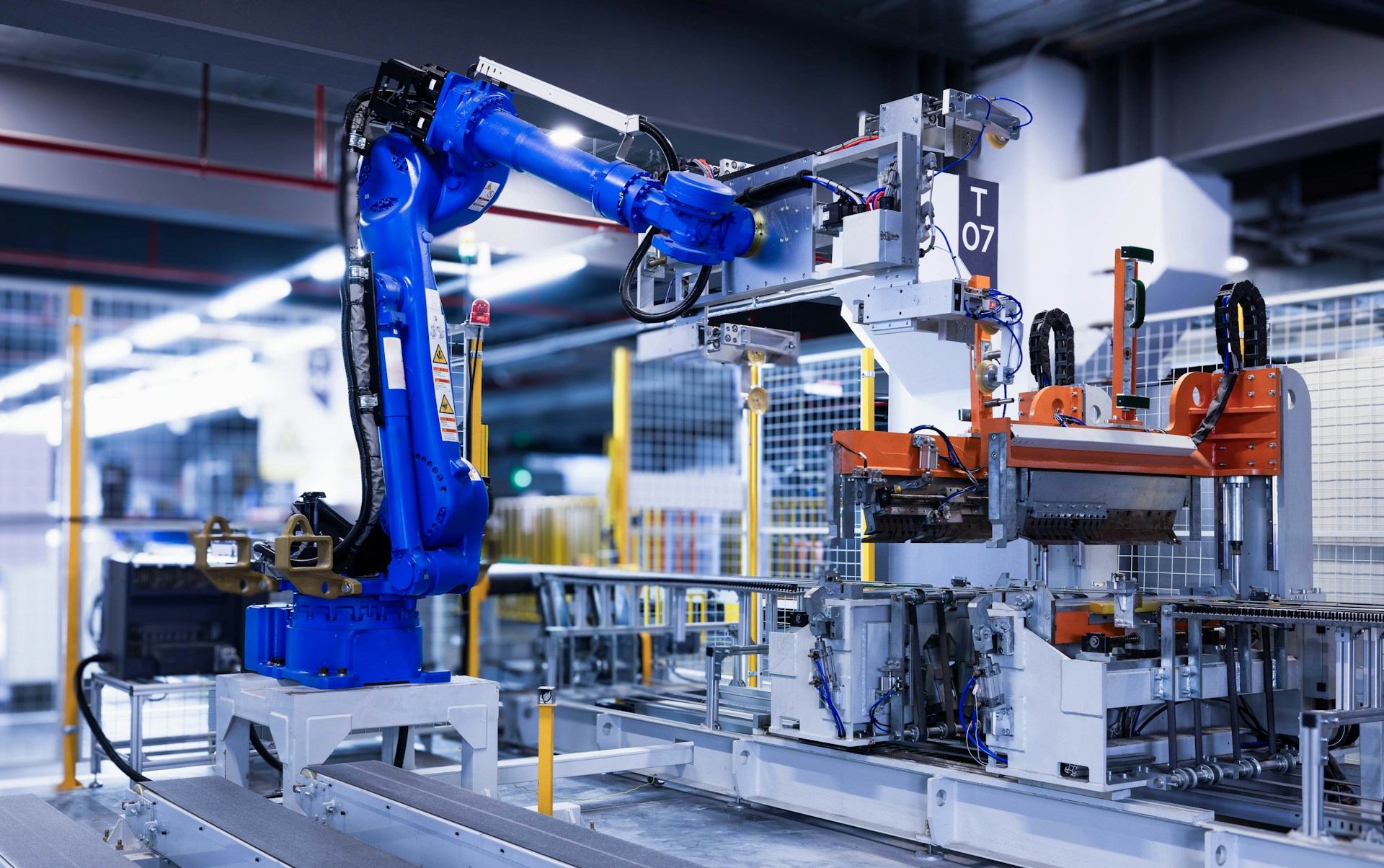
Robots have already found a place in many food factories, particularly in packaging, palletizing, and repetitive handling tasks. What’s changing is their flexibility. Modern robotic systems can be designed to handle different products, shapes, and production requirements without requiring an entirely new setup. That flexibility matters as consumers demand more variety and manufacturers need to produce smaller batches without sacrificing efficiency.
Sensors Turn Data Into Action
Smart sensors are quietly becoming the eyes and ears of automated production lines. They can monitor temperature, pressure, speed, moisture, and other conditions throughout a facility. Instead of waiting for a machine to fail or a product to fall outside specifications, operators can use real-time information to make adjustments earlier. This approach can reduce waste, improve consistency, and help maintenance teams address problems before they cause major downtime.
Connected Factories Are More Adaptable
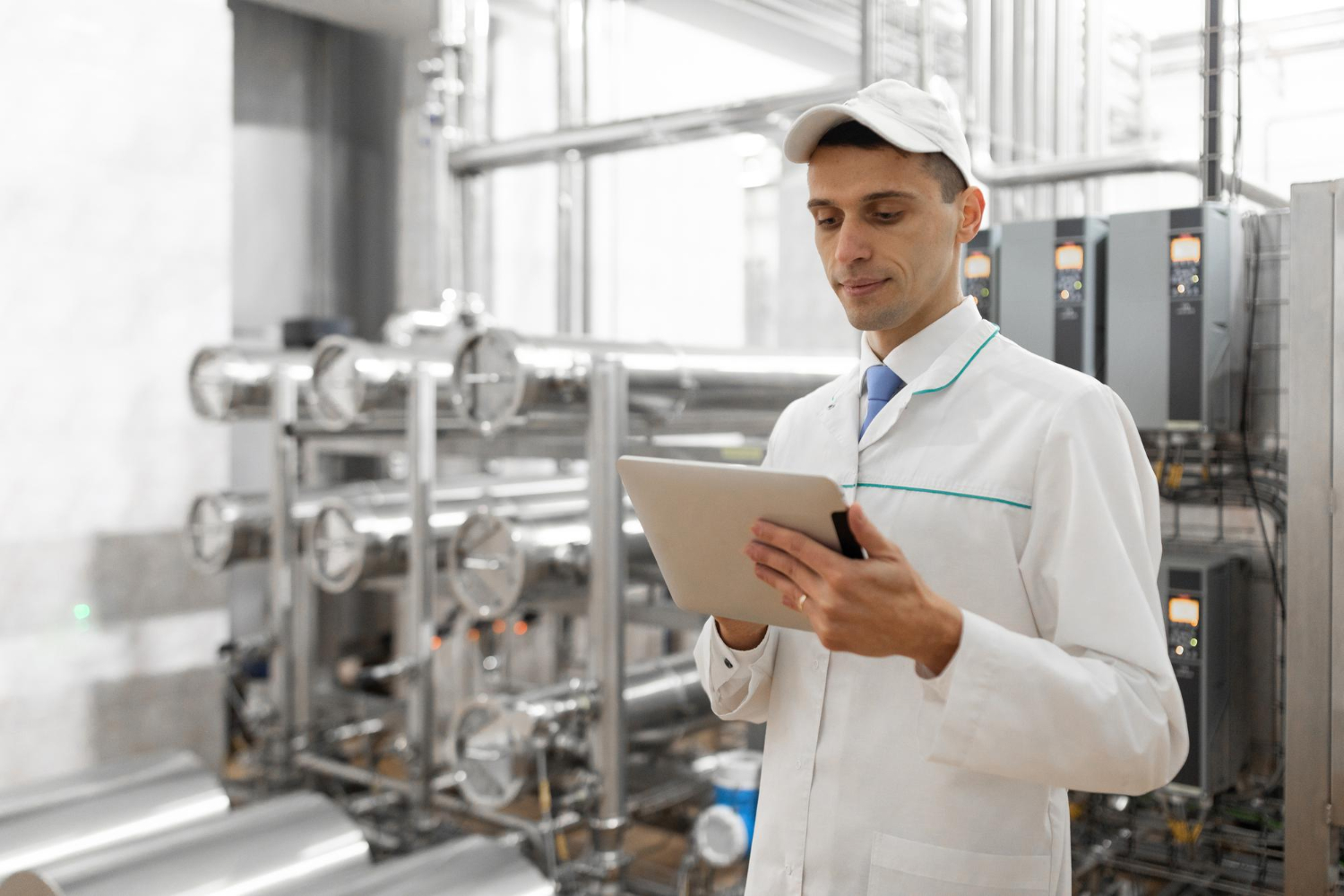
The future of food processing will likely involve highly connected facilities where equipment, software, and employees share information continuously. Cloud platforms and industrial communication systems can make production data available across different departments and locations. Managers can see how a line is performing, maintenance teams can track equipment health, and production staff can adjust processes based on current conditions. The result is a factory that can react more quickly when demand, ingredients, or production priorities change.
Sustainability Becomes Part of Automation
Automation is also playing a growing role in making food production more sustainable. Precise control over ingredients, energy, water, and processing times can help manufacturers reduce unnecessary consumption. Automated monitoring can highlight where resources are being wasted, while smarter equipment can adjust operations according to actual production needs. As energy costs and environmental expectations continue to rise, efficiency and sustainability are likely to become increasingly connected.
The next generation of food processing automation is about far more than faster machines. It’s about creating connected, intelligent, and adaptable production environments. AI, robotics, sensors, and integrated software are giving manufacturers new ways to improve quality, reduce waste, and respond to changing markets. The conveyor belt isn’t disappearing anytime soon, but it is becoming part of a much bigger picture: a food factory that can understand what is happening, react in real time, and continuously find better ways to work.