How to Build Daily Rituals Into Your Home Design
Our homes are more than just places where we sleep, store belongings, and spend time. They shape the way we live, think, and feel every day. The design of a space can influence our habits, routines, and even our mood. Whether it is enjoying a quiet morning coffee, practicing yoga, reading before bed, or creating a relaxing evening routine, the right environment can make these moments feel more natural. By designing our homes around the rituals that matter most, we can create spaces that support the lifestyle we actually want to live.
Start by Understanding Your Daily Patterns
The first step in creating a home that supports your rituals is noticing how you already spend your time. Pay attention to the small habits that bring comfort or meaning to your day. Maybe you enjoy writing in a journal after waking up, cooking a homemade meal in the evening, or having a peaceful space to unwind after work. Once you understand your natural routines, you can design areas of your home that make those activities easier and more enjoyable.
Create Spaces With a Clear Purpose
A room does not have to follow traditional design rules. Instead of thinking only about bedrooms, kitchens, and living rooms, consider creating spaces based on how you want to feel and what you want to do. A small corner with a comfortable chair can become a reading area. A sunny spot near a window can become a place for morning reflection. Giving spaces a clear purpose helps turn everyday activities into intentional rituals.
Design Your Morning Routine Into Your Space
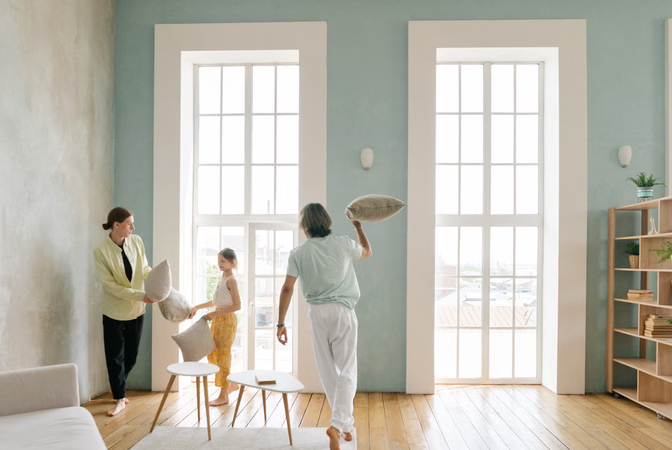
Mornings often set the tone for the entire day, so creating a home environment that supports a positive start can make a big difference. Simple design choices can encourage calm and consistency, such as keeping a coffee station organized, adding natural light, or creating a clutter-free area for planning the day. When the things you need are easy to access, your morning routine can feel smoother and less rushed.
Make Relaxation a Visible Priority
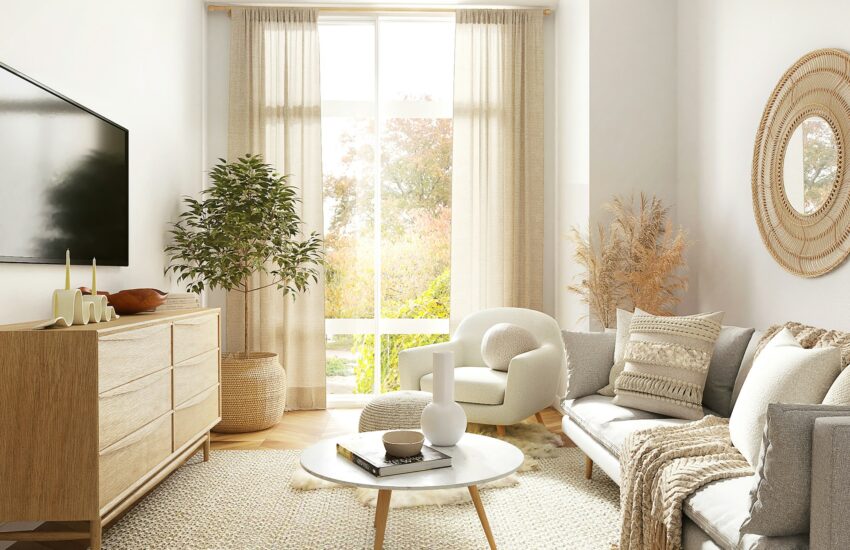
Many homes are designed around productivity, but relaxation deserves attention too. Creating a comfortable area for rest can remind you to slow down and recharge. Soft lighting, cozy textures, calming colors, and comfortable furniture can transform a space into a personal retreat. When relaxation has a dedicated place in your home, it becomes easier to make time for activities that help reduce stress and improve well-being.
Use Design to Encourage Healthy Habits
Your environment can make certain behaviors easier to maintain. A kitchen designed for cooking can encourage more homemade meals, while an open area with exercise equipment can make movement more convenient. Keeping books visible can inspire reading, and organizing creative supplies can encourage hobbies. The design of your home can act as a quiet reminder of the habits you want to prioritize.
Add Personal Touches That Create Meaning
A home filled with personal items often feels more connected to the people who live there. Photos, artwork, travel memories, family pieces, and favorite objects can make everyday moments feel more special. These details are not just decorations—they can serve as reminders of experiences and values. Our routines change over time, and our homes should be flexible enough to change with us. A space that works for one stage of life may need goals. A meaningful home design creates an emotional connection that goes beyond style trends.
Let Your Home Evolve With Your Life
Our routines change over time, and our homes should be flexible enough to change with us. A space that works for one stage of life may need adjustments later. Rearranging furniture, updating storage, or creating new areas for different activities can help your home continue supporting your needs. Good design is not about creating a perfect space once; it is about creating a space that grows with you.
Building daily rituals into your home design is about creating an environment that supports the way you want to live. Small design choices can make everyday activities feel more intentional, comfortable, and enjoyable. When your home reflects your routines and priorities, it becomes more than a place to live—it becomes a space that helps you feel balanced, inspired, and connected to your everyday life.